Trying to decide between a brand‑new Carmel Valley home or a well‑kept resale? You are not alone. The choice affects your monthly budget, timeline, yard space, and even how your HOA will operate. In this guide, you will see how new construction and resale homes compare in Carmel Valley so you can align your purchase with your family’s needs and move‑in timing. Let’s dive in.
Total cost of ownership in Carmel Valley
Buying a home is more than a purchase price. In Carmel Valley, your total cost of ownership includes property taxes, any Mello‑Roos or special district taxes, HOA dues, insurance, utilities, maintenance, and upgrades. Comparing these side by side will help you see the real monthly picture.
Purchase price and property taxes
- New construction often has a higher base price, especially with popular floor plans and modern features. Builders may offer incentives, but upgrades usually add to the total.
- Resale homes are priced off recent comparable sales. You may have room to negotiate repair credits or a price adjustment based on inspection findings.
- In California, property taxes are based on your purchase price, with increases limited under Prop 13. A new home resets the assessed value at your sale price. A resale does the same at the price you pay, which may be lower than new construction in the same micro‑market.
Mello‑Roos and special district taxes
- Many newer planned communities in greater San Diego use Mello‑Roos or Community Facilities Districts to fund infrastructure. These are separate annual taxes that can materially add to your monthly payment.
- Always review the preliminary title report and disclosure for any CFD obligations. Ask for the amount, the remaining term, and any planned changes.
Insurance and utilities
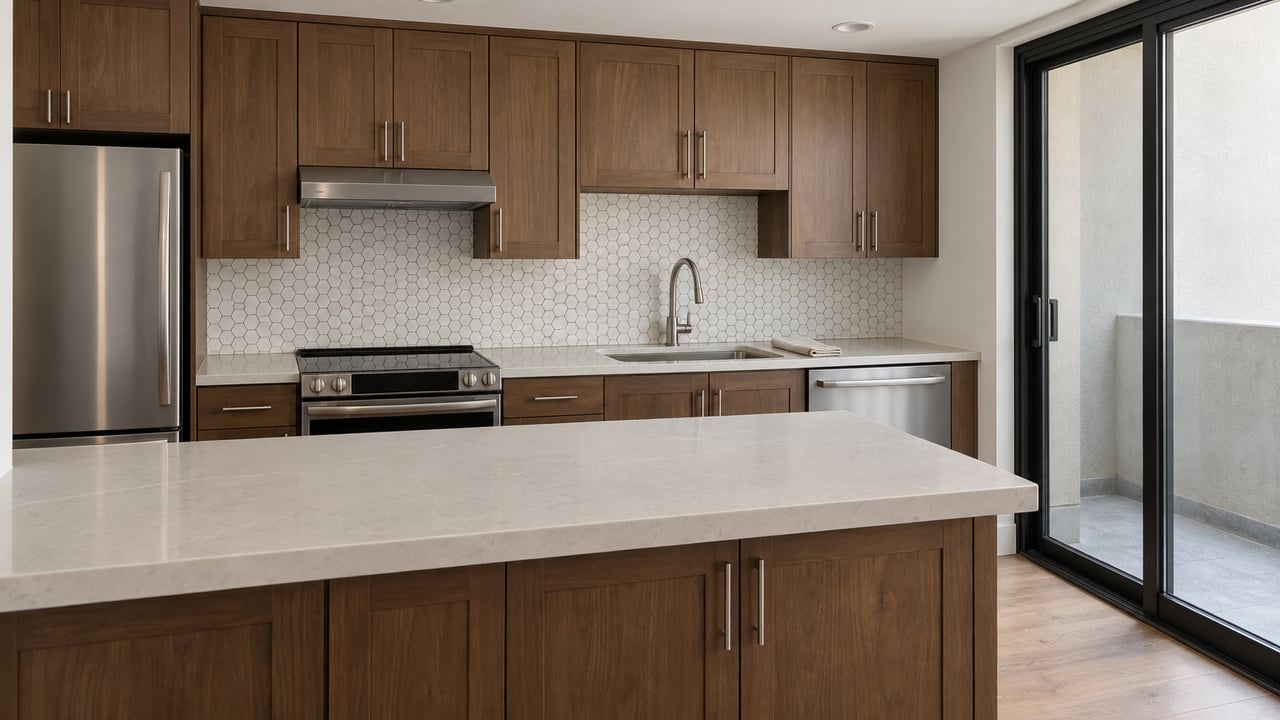
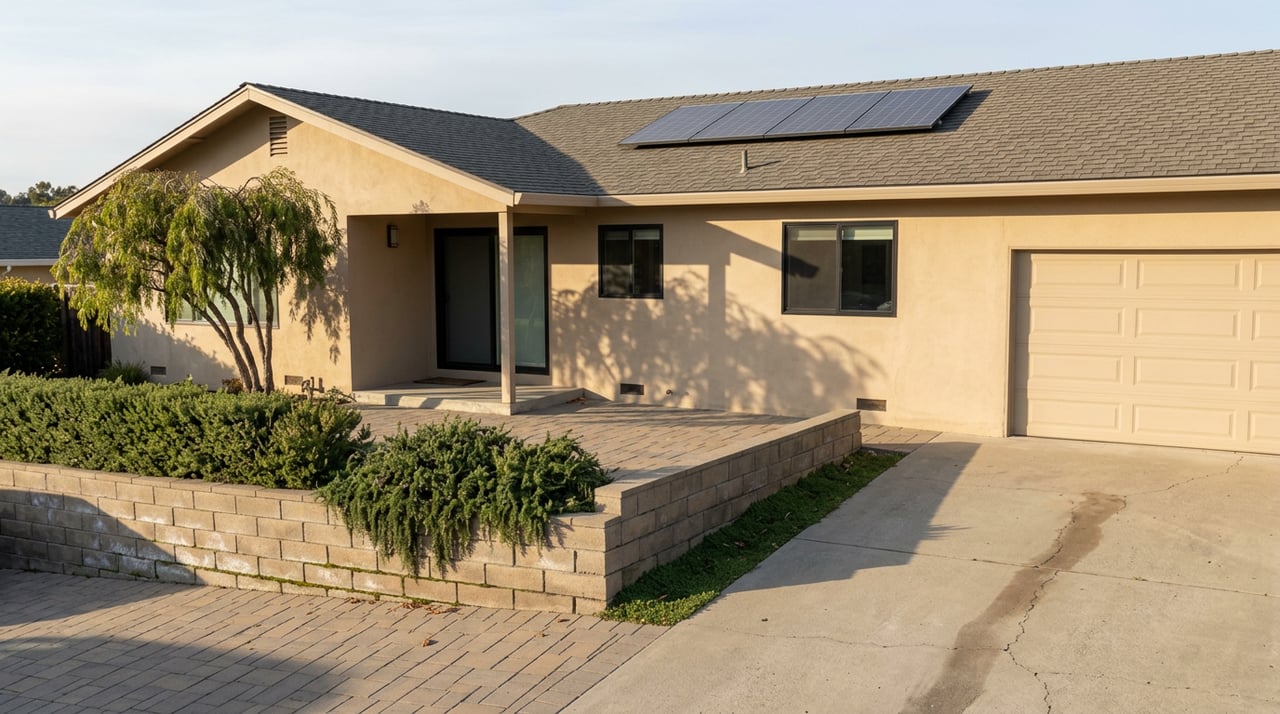
- New construction is built to current Title 24 and CalGreen standards. You may see lower electric bills, and many new homes include solar readiness or solar systems along with EV wiring.
- Insurance costs depend on location, not just age, but modern systems can help with immediate premiums. A resale may need system updates or retrofits to reach similar efficiency.
Maintenance and near‑term capital needs
- New construction typically requires less maintenance in the first 5 to 10 years. Builder warranties can cover many items early on.
- Resale homes can have deferred maintenance. Budget for items like roof age, HVAC life expectancy, water heater, appliances, and any exterior wood repair. Inspection results and seller disclosures will guide this estimate.
HOA dues and amenities
- In new communities, initial dues may be set low and increase later as amenities come online or reserve studies identify shortfalls.
- Established HOAs have a history of dues, reserve studies, and meeting minutes that show trends over time.
What to collect for a clear monthly number
- Mortgage estimate at prevailing rates
- Property tax estimate based on purchase price
- Mello‑Roos or special district taxes and remaining term
- HOA dues and any scheduled increases
- Insurance estimate
- Utility bills for resales or builder pro formas for new homes
HOA dues and special assessments
The HOA can affect both your budget and your day‑to‑day experience. Understanding how a community is managed is essential.
New community HOA dynamics
- The HOA may still be under developer control during the early years. Decisions about budgets, amenities, and design guidelines can be set before homeowner turnover.
- Reserve funds may be immature, which can increase the risk of future dues increases or special assessments as more amenities and long‑term maintenance needs are evaluated.
- Start‑up or one‑time assessments can occur in some communities to fund amenities.
Established HOA track records
- An established HOA typically offers meeting minutes, reserve studies, and audited budgets. You can review how dues have changed, whether special assessments have occurred, and how the board handles maintenance.
- You can also see whether the HOA is engaged in litigation, including construction defect claims or disputes that may affect future costs.
Documents to request and review
Under California’s Davis‑Stirling Common Interest Development Act, HOAs have specific disclosure obligations. Before you buy, request:
- CC&Rs, bylaws, and rules and regulations
- Current budget, latest reserve study, profit and loss statements, and bank statements
- Last 12 months of board meeting minutes
- Disclosure packet detailing pending litigation, any planned special assessments, and insurance coverage
- Management company contact and contract details
Warranties, quality, and completion risk
Warranties can protect you, but the terms vary by builder and by contract. Resales do not come with builder warranties, so inspections and repair negotiations become your safety net.
Typical builder warranty structure
- 1‑year limited warranty for workmanship and materials
- 2‑year coverage for mechanical systems such as plumbing, electrical, and HVAC
- 10‑year limited structural defect warranty
Coverage and remedies differ, and some warranties are administered by third parties. Always get the written warranty and ask how service requests are handled.
What to verify on new construction
- Warranty scope, exclusions, and transferability if you sell
- How to submit a punch‑list and the repair timelines
- What counts as a completed home at closing, including landscaping, fencing, and community amenities
- Builder reputation, service responsiveness, and complaint history with the appropriate state or local agencies
Risks in phased communities include incomplete amenities and the possibility of paying HOA dues before everything is built. In rare cases, developer financial issues can delay delivery, so confirm how escrow will handle incomplete infrastructure.
Resale inspection strategy
- Order a comprehensive home inspection, including a wood‑destroying organism report.
- Use findings to negotiate repairs or credits within your contingency period.
- Consider a home warranty purchase for the first year as a risk‑management tool, then budget for capital items based on projected lifespans.
Lot size, yard, and Carmel Valley micro‑markets
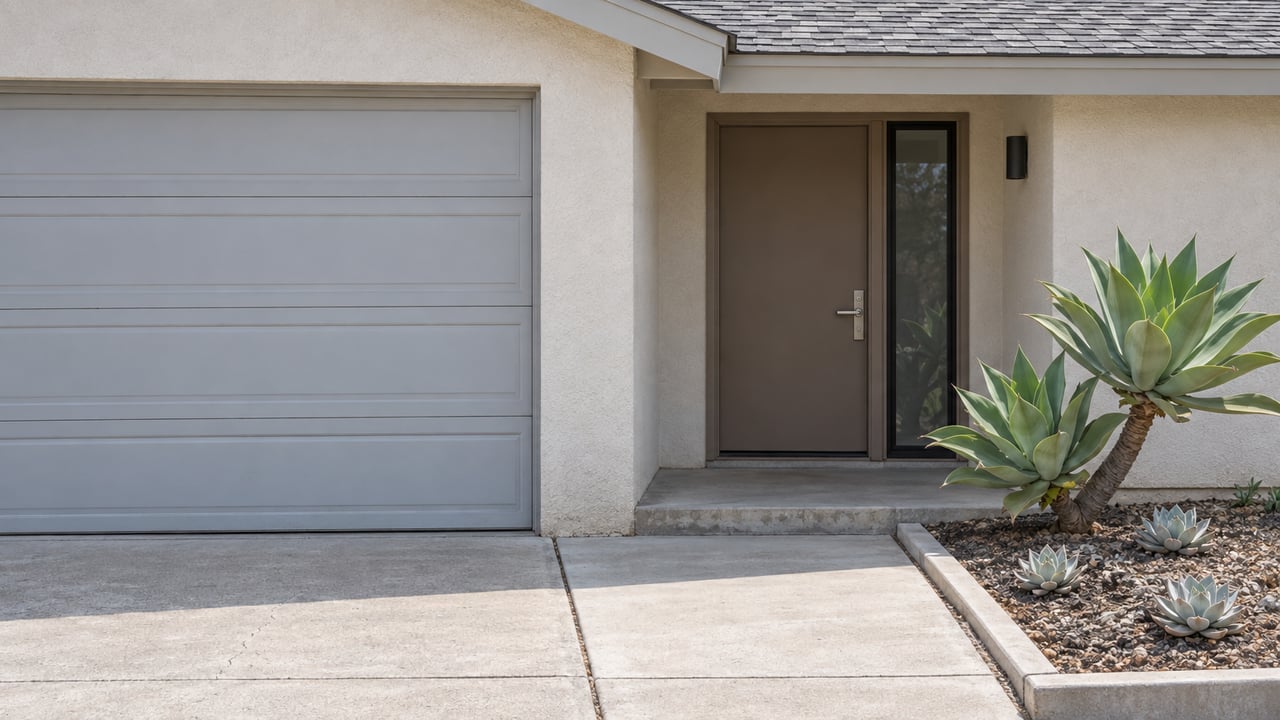
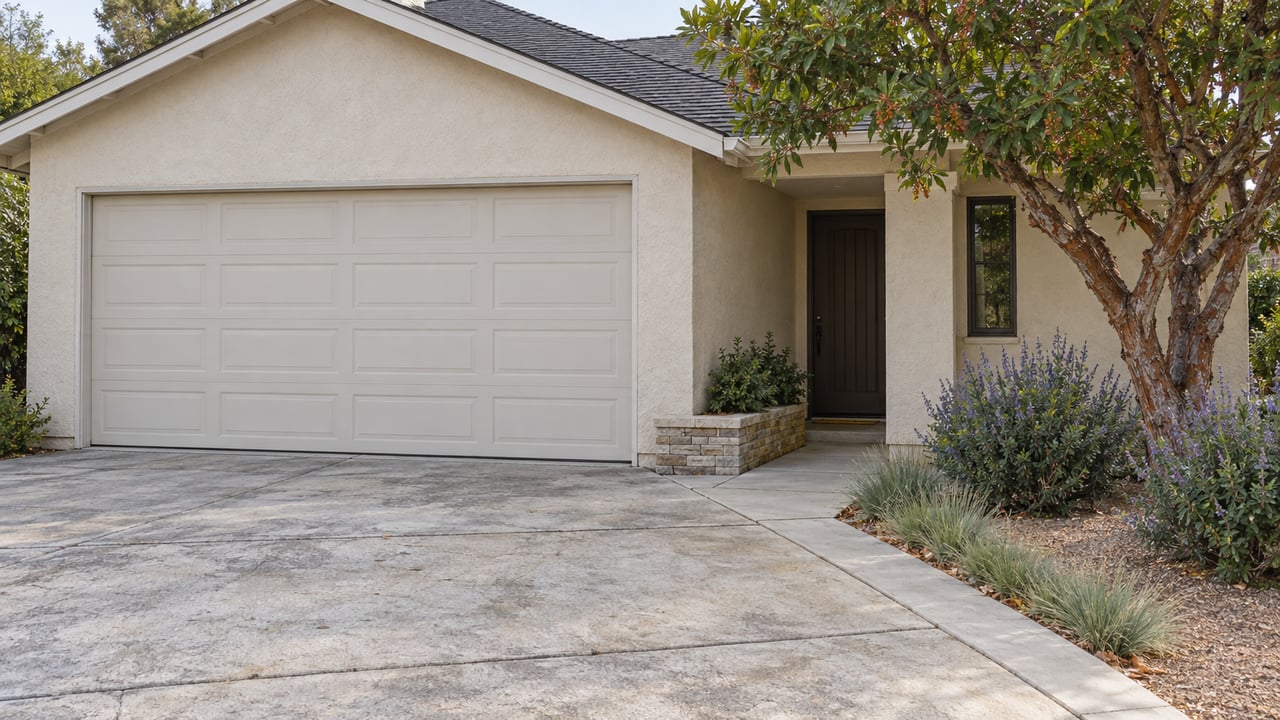
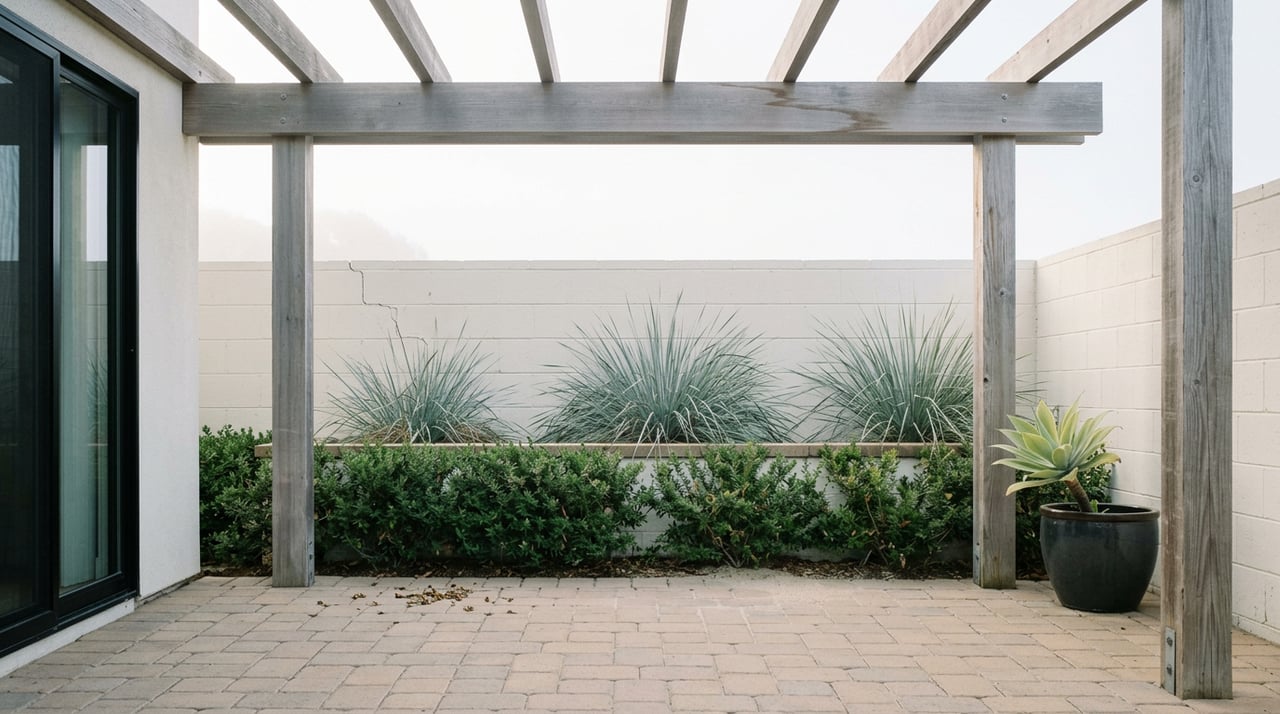
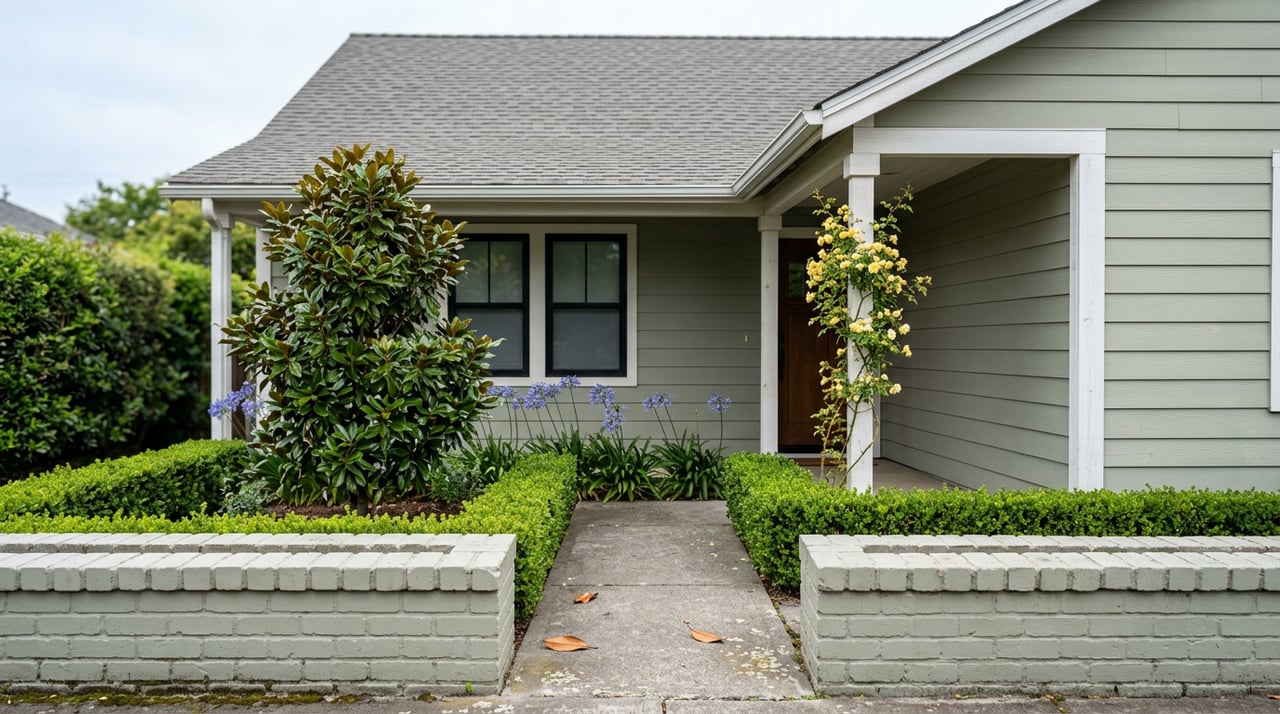
Lot and yard quality can be a major decision point in Carmel Valley. Newer planned areas tend to have smaller, low‑maintenance lots with shared amenities. Older pockets and edge areas may offer larger lots and mature landscaping.
Lot usability and orientation
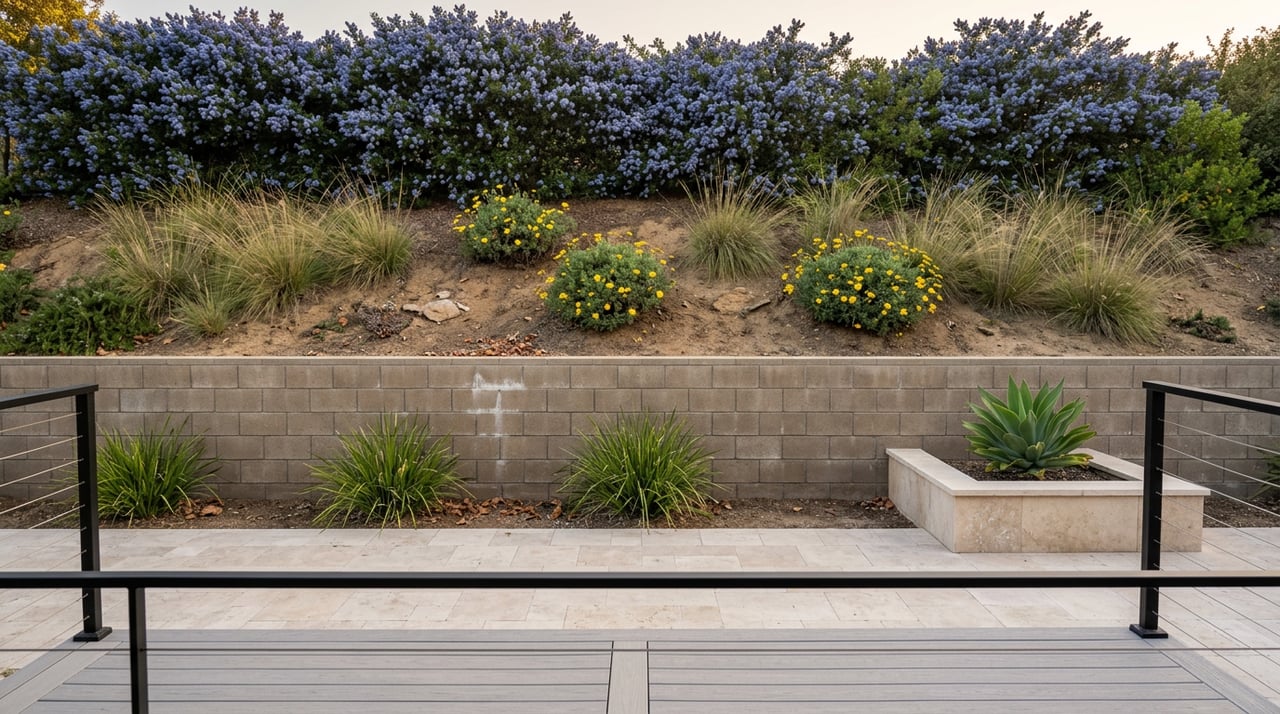
- Review lot square footage and usable yard. Steep slopes, easements, and drainage can affect how you use the space.
- Check setback rules and fence guidelines, especially within HOAs.
- Consider sun exposure. North‑south orientation can influence natural light and outdoor comfort.
- Verify any recorded plot plan or grading notes, and ask about erosion or drainage history if the lot is on a hillside.
Neighborhood segments to consider
- School‑centered pockets near elementary and middle schools can appeal to many households. Always confirm current school assignments and enrollment policies for your specific address.
- Amenity‑rich communities often have pools, parks, and trail access. Expect higher HOA dues in exchange for convenience and lifestyle features.
- Larger‑lot or quieter sections may offer more outdoor space with fewer shared facilities and typically lower HOA involvement.
- Transit‑ and commute‑oriented areas near major roads can shorten drives to UC San Diego, Sorrento Valley, UTC, and downtown. Balance commute benefits with potential traffic noise and pricing.
Timelines and financing differences
Your ideal timeline can point you toward resale, a finished spec home, or a build‑from‑plan option.
If you need to move in soon
- Resale purchases often close in 30 to 45 days, depending on financing, inspections, and any seller rent‑back.
- Completed model or spec homes can sometimes close on a similar timeline once a certificate of occupancy is issued.
If you can wait for the right fit
- Building from a plan usually takes 6 to 12 months or more, depending on selections, permitting, labor, and materials.
- Community amenities may be delivered in phases, which can extend timelines for pools, parks, and final landscaping.
Lender incentives, escrow, and contingencies
- Builders may offer closing cost credits or interest rate buydowns, sometimes tied to using a preferred lender or title company. Weigh the net cost, not just the headline incentive.
- Construction loans differ from standard mortgages. If you are buying a to‑be‑built home, confirm how draws, inspections, and interest are handled during the build.
- Resale contracts typically include inspection and appraisal contingencies. New‑build contracts often limit seller repairs and create change‑order windows, so your contract clarity matters.
Side‑by‑side comparison checklist
Use this list to compare a new construction option and a resale home in the same Carmel Valley budget range.
Administrative and financial
- Purchase price and estimated monthly mortgage at today’s rates
- Property tax estimate and how assessed value will reset
- Mello‑Roos or special district taxes, annual amount, and remaining term
- HOA dues, reserve study date, any planned dues increases or special assessments
- Utility providers, recent bills for resales, or builder energy estimates for new homes
- Builder incentives or credits and any required conditions
Physical and systems
- Lot size, usable yard, orientation, slope or easements
- Age and condition of roof, HVAC, water heater, and appliances for resales
- Energy features such as solar, battery storage, EV wiring, insulation, and window efficiency
- Pest and wood‑destroying organism report
Contract and timeline
- Estimated move‑in date and remedies for delay on new builds
- Inspection windows and allowed contingencies
- Warranty terms, exclusions, and transferability
- Any arbitration clauses or dispute‑resolution language
Neighborhood and resale factors
- School assignments for the property’s address and distances to parks
- Proximity to major roads, noise sources, shopping, and medical services
- Comparable sales in the last 6 to 12 months to gauge future resale positioning
Negotiation levers
- New builds: closing cost credits, interest rate buydowns, and what is included in landscaping or fencing
- Resales: repair credits, seller‑paid home warranty, and closing date flexibility
Which is better for your family?
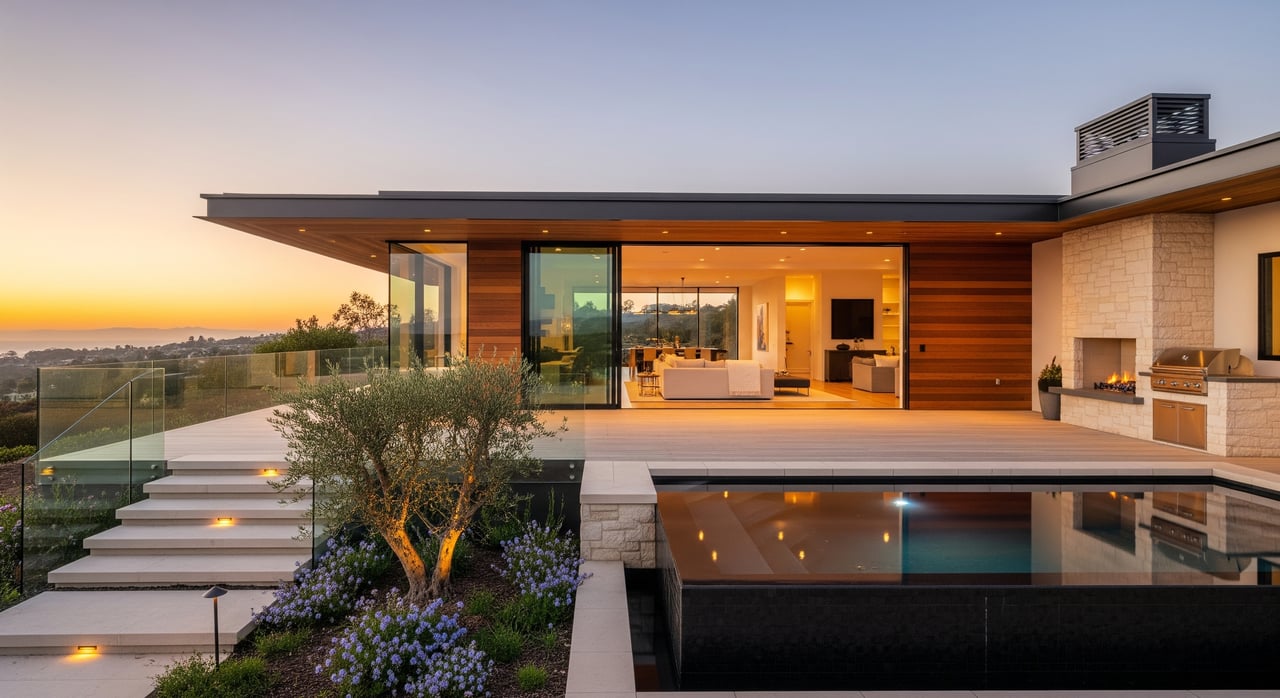
There is no one‑size‑fits‑all answer, only the best fit for your goals. If you value a modern layout, energy performance, and fewer immediate repairs, a new build can be a strong choice. If you want a larger lot, mature landscaping, or an established HOA history, a resale may be right.
Think about your move‑in deadline, your comfort with HOA risk, and how you want to use your yard and outdoor space. Build a side‑by‑side cost estimate that includes Mello‑Roos, HOA dues, and utility projections so you can compare apples to apples. Then walk both homes at the same time of day to feel light, noise, and neighborhood flow.
If you want a clear, numbers‑first comparison tailored to Carmel Valley’s micro‑markets, let’s talk. With design‑informed guidance and hands‑on transaction management, we will help you weigh costs, timelines, and lot tradeoffs so you can move with confidence. Schedule a free consultation with Agne Isidro.
FAQs
What costs decide between new and resale in Carmel Valley?
- Compare purchase price, property tax reset, Mello‑Roos, HOA dues, insurance, utilities, and near‑term maintenance to see your true monthly number.
How do builder warranties work on new homes?
- Many builders offer 1‑year workmanship, 2‑year systems, and 10‑year structural coverage, but terms vary, so get the written warranty and service process in detail.
Are special assessments more likely in new communities?
- Early‑stage HOAs may have immature reserves, which can raise the chance of future increases or assessments, so review the latest reserve study and budget plan.
Can I negotiate upgrades or incentives on new construction?
- Yes, but upgrades raise the base price; often a rate buydown or closing cost credit provides clearer value than hard‑to‑price finishes.
What timeline should I expect for new builds versus resales?
- Resales often close in 30 to 45 days, completed specs can be similar, and build‑from‑plan options commonly range from 6 to 12 months or more.