Downtown San Diego Condo Guide: Is 92101 Right for You?
February 19, 2026
February 19, 2026
Thinking about a condo in downtown San Diego but not sure if it fits your lifestyle? You’re not alone. Many buyers love the walkability, views, and lock-and-leave ease, yet wonder about space, parking, HOA fees, and event noise. In this guide, you’ll get a clear look at what 92101 condo life really offers, plus the practical steps to decide with confidence. Let’s dive in.
Downtown San Diego (ZIP 92101) is condo-forward, with options that range from luxury towers on the waterfront to boutique mid-rises and industrial-style lofts. The exact experience varies by building and neighborhood, so it helps to understand the most common types.
You’ll find high-rise luxury towers near the waterfront in the Marina and Columbia districts, mid-rise mixed-use buildings in Little Italy and Cortez Hill, and loft-style or boutique mid-rises in East Village and the Gaslamp. Floor plans typically span studios, one-bedrooms, and two-bedrooms, with a smaller share of larger two- and three-bedroom or penthouse residences. For neighborhood snapshots, the Downtown San Diego Partnership offers helpful overviews of the core districts and their character.
Most studios run about 400 to 700 square feet, one-bedrooms about 600 to 900 square feet, and two-bedrooms about 900 to 1,400-plus square feet. Many active listings in 92101 fall in the 600 to 1,200 square foot range. Larger multi-bed and penthouse footprints vary widely by tower.
Prices shift by micro-neighborhood, building age, amenities, and views. A practical rule of thumb: downtown condo pricing often sits in the mid-six-figure to low-seven-figure range, with premiums for bay views and full-service towers and lower pricing for older mid-rises or smaller interiors.
Downtown attracts single professionals, dual-income couples, downsizers who want a lock-and-leave lifestyle, and investors seeking long-term rental demand. Owner-occupancy rates are generally lower and renter share higher in 92101 than in many other San Diego neighborhoods.
Amenities and HOA structures vary, and they influence both your lifestyle and monthly costs. Understanding what you get for your dues is key.
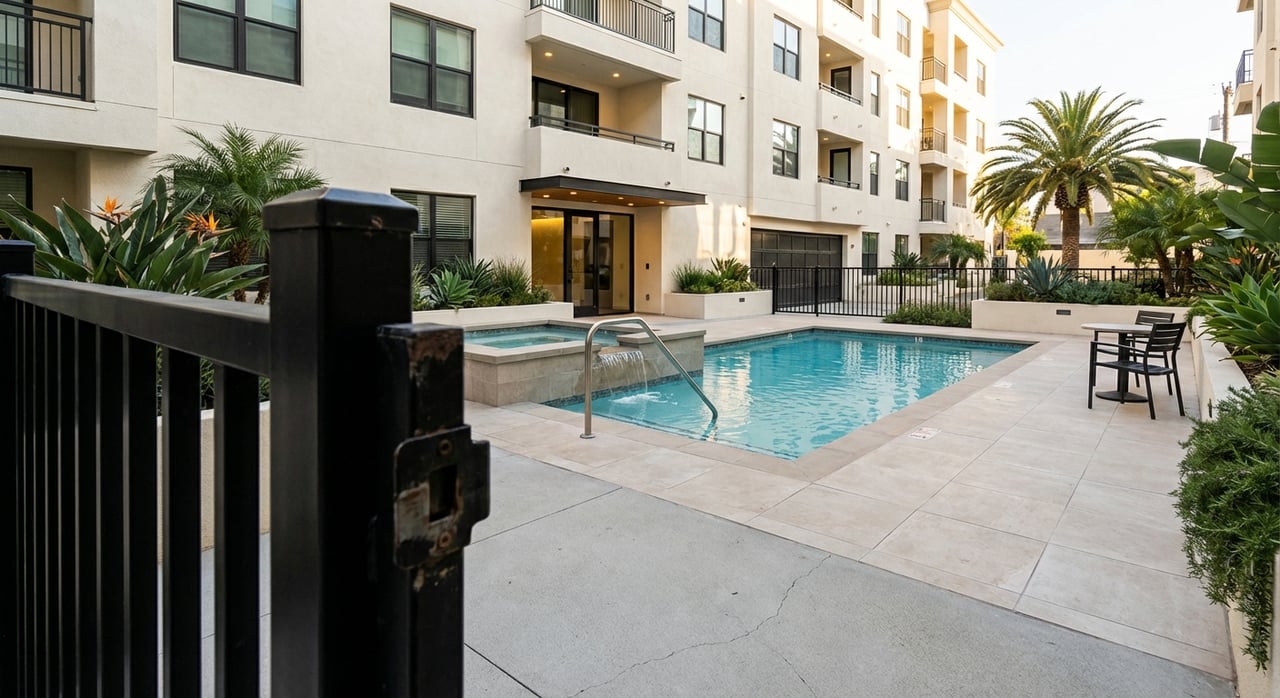
Many buildings offer a fitness center, pool or rooftop decks, resident lounges, concierge or 24-hour security, package rooms, on-site management, and covered assigned parking. The amenity mix is building-specific and directly tied to HOA dues and resale appeal.
HOA fees run a wide spectrum, often grouped locally as follows: low-amenity mid-rises at under about $350 per month, moderate amenity buildings around $350 to $500, upper-moderate $500 to $650, and luxury or high-service towers at $650 to more than $1,000 per month. Exact numbers depend on staffing, services, and reserves.
Dues typically cover common-area maintenance, building insurance (master policy), security or front desk staffing where provided, elevators, landscaping, and often water and trash. Always verify which utilities are included and what you will handle separately.
California HOAs are required to prepare reserve studies and funding plans, including regular visual inspections and annual reviews. Healthy reserves reduce the risk of surprise special assessments. During escrow, review the reserve study, budget, and CC&Rs so you understand the building’s financial footing. For a primer on reserve requirements, see this overview of California reserve study rules.
Walkability is a major perk in 92101. You can often live car-light, though parking and event traffic are real factors.
Downtown ranks among San Diego’s most walkable areas, with Little Italy, the Gaslamp, East Village, and the Marina each scoring high for daily errands and dining. Explore the Walk Score overview for San Diego and the Little Italy Walk Score page to get a feel for the pedestrian lifestyle.
Most buildings provide at least one assigned space for one-bedroom units, but second spaces, guest parking, and EV charging vary and can carry added costs. The City’s Downtown Community Parking District helps manage curb and garage supply and pricing downtown. Expect more paid-parking exposure compared with suburban neighborhoods. Learn about the program on the City’s Downtown Community Parking District page.
Petco Park, the Convention Center, and seasonal festivals bring energy and visitors. They also bring busy streets, higher short-term parking demand, and longer exit times after major events. Get a sense of the sports-and-events context from this local look at Petco Park’s walkable setting, then model your own commute and garage access during a game or convention.
Active nightlife and ongoing development are part of downtown’s appeal and its tradeoffs. Your experience can vary a lot by block, elevation, and orientation.
The City enforces noise rules, and certain activities require permits. For context on local limits, see the City’s page on construction noise permits and code references.
If you plan to host short-term guests, you need to comply with the City’s Short-Term Residential Occupancy (STRO) ordinance. It requires licensing, caps certain whole-home rentals, and has other conditions. Many HOAs also restrict or prohibit short-term rentals in their CC&Rs. Review building rules and visit the City’s STRO program page to understand licensing, eligibility, and taxes.
Each district within 92101 offers a different day-to-day feel. Match the neighborhood to your lifestyle priorities.
East Village is downtown’s largest and one of its fastest-growing areas, home to Petco Park, new multifamily development, and a mix of lofts plus modern mid- and high-rise condos. It appeals if you want newer buildings and a lively urban scene. Read more background on East Village.
Little Italy offers exceptional walkability, a curated dining and retail scene, and a popular weekly farmers market. Buildings skew mid-rise and boutique. The neighborhood’s identity often commands a premium thanks to convenience and lifestyle. Check the Walk Score for Little Italy to see how it supports car-light living.
The Marina District borders the waterfront, parks, and the Convention Center. It features established luxury towers with larger footprints, bay or marina views, and resort-leaning amenities. It is often quieter outside of major conventions, with pricing reflecting views and services. Explore the Marina District overview to get a feel for location and landmarks.
Condo financing adds a layer beyond the usual loan preapproval. Plan ahead so your escrow stays on track.
Government and agency lenders have rules for condo projects. FHA permits certain single-unit approvals, while other programs may require project-level acceptance. Confirm a building’s eligibility early with your lender because HOA documentation and approvals can impact timing. For FHA background, see HUD’s condominium approval guidance.
Under California’s Davis–Stirling framework, sellers and associations must provide a bundle of documents that includes CC&Rs, bylaws, budgets, reserve disclosures, meeting minutes, and a resale or estoppel certificate. These show dues, delinquency levels, litigation, special assessments, and reserve status. Review them closely to evaluate building health. For statutory context, consult the Davis–Stirling Act.
Understand the HOA’s master insurance and what your HO-6 policy should cover inside the unit, including improvements and liability. Some lenders and HOAs require specific coverage levels, so align your policy with both.
Use this list to focus your due diligence once you’re serious about a specific building and unit:
Choose downtown if you value walkability, dining, and transit access and you prefer a lower-maintenance, lock-and-leave home. Expect smaller interiors on average, HOA dues that reflect your building’s services, and occasional nightlife or event energy. If you want more space, easier parking, or a quieter setting, you might compare 92101 with nearby neighborhoods that offer more townhomes or single-family options.
If you want help weighing floor plans, HOA health, and building-by-building tradeoffs, connect with a local advisor who knows the towers and the streets. Ready to explore 92101 with a clear plan? Schedule a free consultation with Agne Isidro to map your next steps.
Stay up to date on the latest real estate trends.
I’m a real estate agent with Active Realty in San Diego, CA and the nearby area, providing home-buyers and sellers with professional, responsive and attentive real estate services. Want an agent who'll really listen to what you want in a home? Need an agent who knows how to effectively market your home so it sells? Give me a call! I'm eager to help and would love to talk to you.