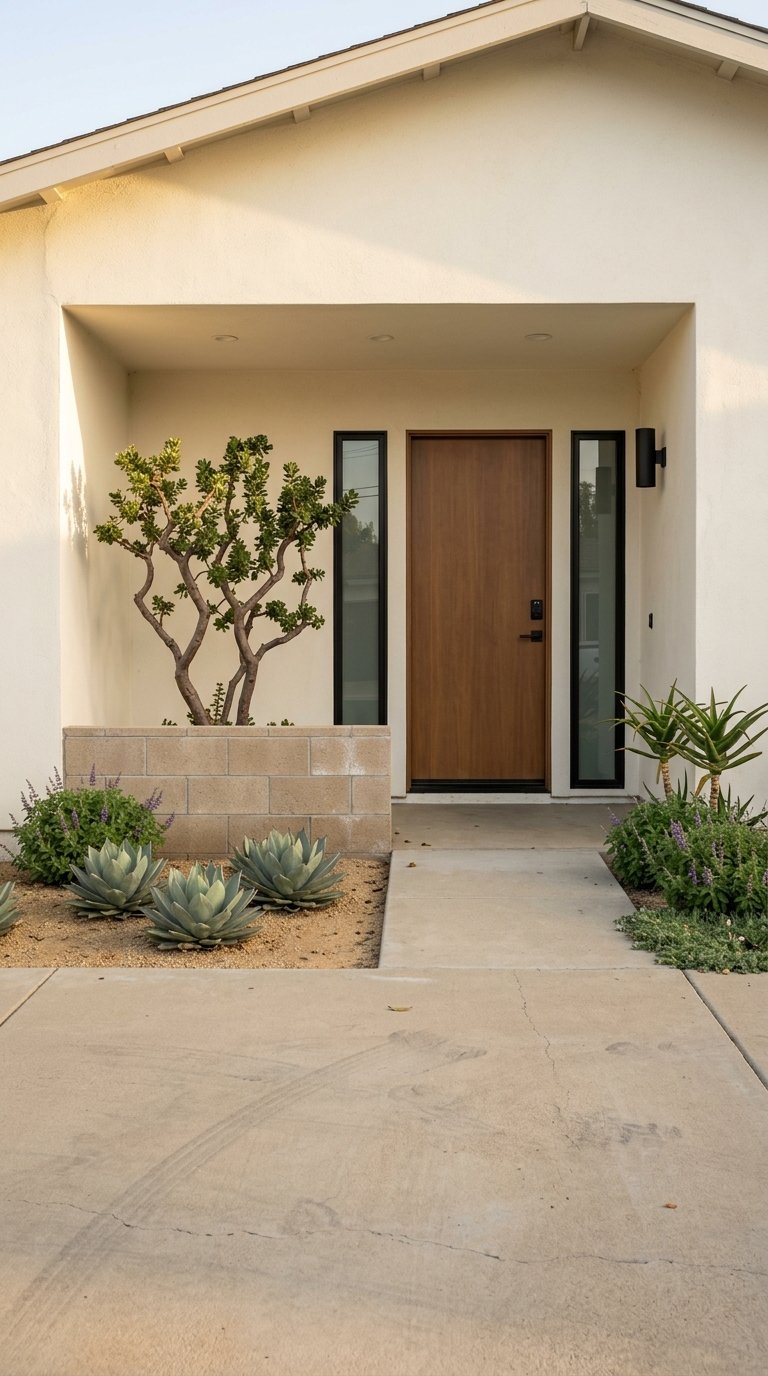
Buying A Second Home In Del Mar
May 7, 2026
May 7, 2026
Dreaming about a place by the beach where you can slow down, recharge, and still feel connected to everyday comforts? If you are thinking about buying a second home in Del Mar, you are not alone. This small coastal city offers a rare mix of walkability, beach access, and village charm, but it also comes with local rules and property factors that deserve a closer look. Here is what you should know before you buy, so you can move forward with more clarity and confidence.
Del Mar has a very specific kind of appeal. The city describes itself as a small coastal community of about 2.2 square miles with roughly 4,331 residents, yet it still attracts millions of visitors each year. For many buyers, that balance of small scale and strong destination appeal is exactly the point.
You are not buying into a sprawling beach city here. You are buying into a compact village setting where the beach, parks, and everyday destinations feel close at hand. Del Mar’s beachfront system runs for more than two miles, with spots like Powerhouse Park, Seagrove Park, the 15th Street surf break, and North Beach helping shape the lifestyle that makes second-home ownership here so attractive.
When you look at second homes in Del Mar, location affects how the home lives day to day. The city’s planning documents identify six residential neighborhoods, but for most second-home buyers, the practical choice often comes down to a lifestyle tradeoff: walkability and beach access versus privacy, lot size, and views.
If your goal is a park-once lifestyle, the Village area and North Beach usually stand out first. The city emphasizes pedestrian mobility in the village, including wider sidewalks, shorter crossings, and wider bike lanes, and it notes that the village can be explored without a car.
That matters if you picture weekends where you walk to the beach, parks, and nearby destinations instead of planning every outing around traffic and parking. For many second-home buyers, that easy rhythm is a big part of Del Mar’s value.
If you want more privacy and a less immediate connection to the village core, bluff-top or more inland areas may fit better. The city’s design guidelines describe North Bluff as having only three residentially designated parcels with large bluff-top estate lots in a semi-secluded setting.
In simple terms, these homes can offer a very different experience. You may gain more space, separation, and scenic setting, but often with less walkability and less direct beach access.
Del Mar offers a mix of single-family homes, condos, townhomes, and some multifamily product, especially in areas like North Beach. The design guidelines note that North Beach is relatively dense, organized on a narrow grid, and characterized by small lots and minimal setbacks.
That means your second-home options may vary quite a bit in how they function. Some buyers want a lower-maintenance condo or townhome close to the sand, while others want a detached home with more outdoor space or long-term flexibility.
If you are thinking about buying a property you might update over time, Del Mar’s review process deserves attention early. The city does not require a preferred architectural style, but its Design Review Board evaluates quality architecture, quality materials, scenic views, and privacy impacts.
The city also says this review process is meant to preserve Del Mar’s residential seaside character and small-town village atmosphere. For you, that means exterior changes, additions, or remodel plans may involve more review and more time than they would in a typical suburban market.
Del Mar’s development application guidance shows that coastal projects may require permits such as a Coastal Development Permit, Floodplain Development Permit, Land Conservation Permit, or Shoreline Protection Permit. Even a smaller exterior update, drainage change, or slope-related repair can trigger more review than many buyers expect.
If you are buying with improvement plans in mind, it helps to look at the property through both a design lens and a local approval lens. That is especially important in a market where character, views, slopes, and coastal conditions can all influence what is feasible.
Many second-home buyers in Del Mar consider condos, townhomes, or other common-interest developments. In California, the Department of Real Estate says HOA membership is automatic when you buy in a common-interest development.
Maintenance responsibilities can also be more layered than buyers expect. Under California Civil Code 4775, common-area maintenance generally belongs to the association and separate-interest maintenance belongs to the owner, unless the governing documents say otherwise.
Before you buy, make time to review the HOA’s Articles, Bylaws, Declaration, and related documents. The California DRE specifically advises owners to rely on those governing documents when maintenance and dispute questions come up.
For a second home, this matters even more because you may not be there full time. You will want clear answers on building maintenance, reserve funding, use restrictions, access, insurance responsibilities, and any owner obligations that could affect a part-time ownership plan.
A second home near the coast can feel easy and carefree, but the physical setting still deserves close attention. Del Mar’s Safety Element draft notes that the city includes sandstone bluffs and steep slopes, and that coastal bluffs are exposed to wave action, runoff, sea-level rise, erosion, and possible mudslides.
It also identifies ground-failure susceptibility along the shoreline and in canyon and slope areas. If you are considering a bluff-side or hillside property, pay close attention to drainage, slope stability, access, and insurance.
Not every property will carry the same level of exposure, but location-specific conditions matter here. A home near the shoreline, on a slope, or in an area affected by drainage patterns may require a more detailed review of site conditions and ongoing maintenance expectations.
That does not mean you should avoid these homes. It means you should approach them with informed questions and a realistic understanding of ownership responsibilities.
Many buyers ask whether they can offset costs by renting the home when they are not using it. In Del Mar, rental potential exists, but short-term rentals are tightly regulated.
The city uses a permit and cap system for short-term rentals. New owners are placed on a waitlist until capacity becomes available under the citywide cap, and permitted operators must remit transient occupancy tax.
If rental use is part of your plan, do not treat it as an assumption. You should confirm how the city’s current rules apply to the property before you finalize an offer.
This is one of the biggest points of disconnect for second-home buyers. A home may look ideal for occasional vacation rental use, but local regulations can shape what is actually possible.
Your intended use of the home can affect financing from the start. Fannie Mae says a second home must be occupied by the borrower for some portion of the year, be a one-unit home, be suitable for year-round occupancy, remain under the borrower’s exclusive control, and not be a rental property or timeshare.
Fannie Mae also says rental income may exist only if it is not used to qualify and the other second-home requirements are still met. If you plan to rent the property frequently, your lender may view it more like an investment property.
This is why it is smart to discuss intended use before you get too far into the search. A home that works well for your lifestyle goals may not fit the same loan category as a home you plan to use more heavily as a rental.
Getting clear on that early can save time, narrow your search, and help you write stronger offers.
A second home can raise useful tax questions, especially if you expect to use the property yourself and rent it at times. The IRS says mortgage interest on a main home or second home can be deductible if the property is a qualified home.
If the second home is rented for part of the year, the property must also meet the personal-use rule: more than 14 days or more than 10% of the rental days, whichever is longer. The IRS also states that home-acquisition debt after December 15, 2017 is generally capped at $750,000 for a main home plus second home combined.
Because tax treatment depends on your personal situation, it is best to review these rules with a qualified tax professional before you buy.
If you are still deciding where to buy a second home along the coast, it helps to compare the feel of each market. Del Mar is much smaller and more concentrated around a single village and beach core.
La Jolla is larger and more district-based, with areas such as the Village, Shores, and Bird Rock. Encinitas stretches along six miles of coastline and includes multiple communities with a more spread-out footprint.
If your priority is compact beach-village living, Del Mar often stands out. If you want a broader amenity base and several commercial districts, La Jolla may offer a different kind of appeal.
If you prefer a looser surf-town layout across multiple communities, Encinitas may feel more natural. None is universally better. The right fit depends on how you want to spend your time when you are there.
Before you buy a second home in Del Mar, focus on the questions that matter most:
A second home should support your lifestyle, not complicate it. The more clearly you define your priorities up front, the easier it becomes to identify the right property and avoid surprises later.
Buying in Del Mar is often about more than square footage or price per foot. It is about choosing the version of coastal ownership that fits how you actually want to live, relax, and return to the area over time. If you want thoughtful guidance on Del Mar neighborhoods, property type tradeoffs, and the practical side of buying along the coast, connect with Agne Isidro for a personalized consultation.
Stay up to date on the latest real estate trends.

I’m a real estate agent with Active Realty in San Diego, CA and the nearby area, providing home-buyers and sellers with professional, responsive and attentive real estate services. Want an agent who'll really listen to what you want in a home? Need an agent who knows how to effectively market your home so it sells? Give me a call! I'm eager to help and would love to talk to you.