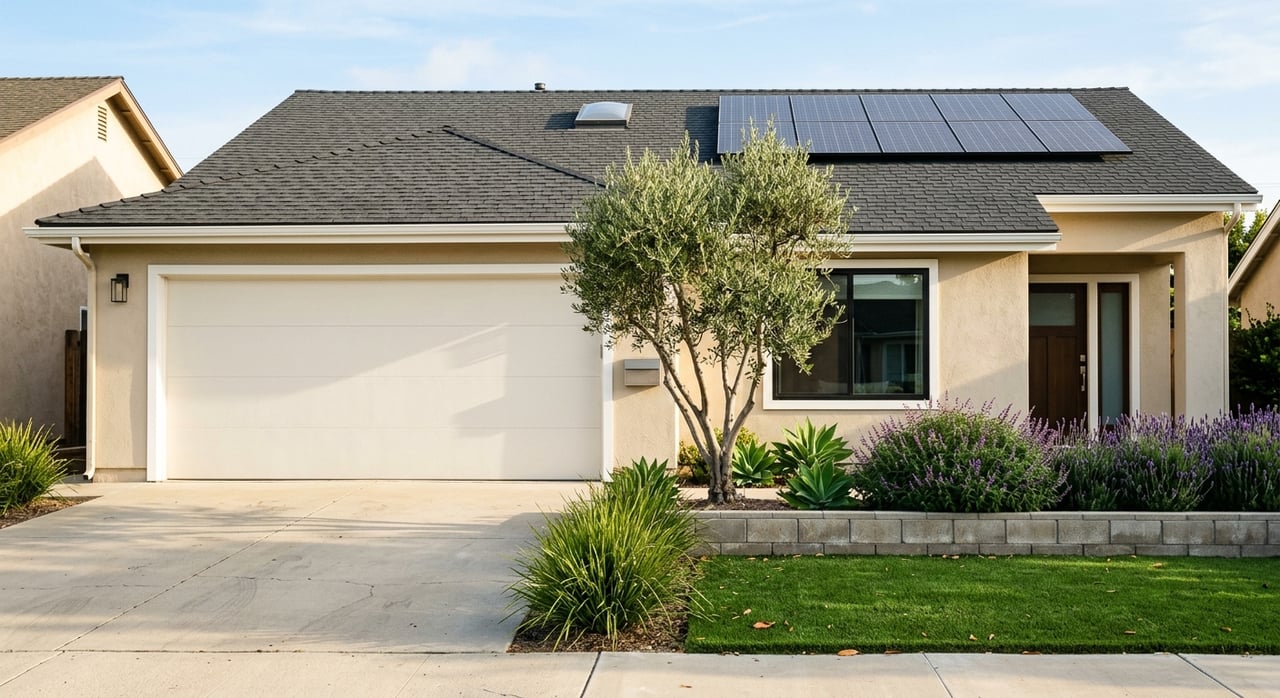
Compare Carmel Valley Communities for Your Next Move
June 11, 2026
June 11, 2026
Wondering which Carmel Valley area actually fits your next move? If you are moving up from a condo, townhome, or smaller house, Carmel Valley can look simple on the surface but feel much more layered once you start comparing communities. This guide will help you sort through the main pockets, understand the tradeoffs, and narrow in on the setting that best matches your space needs, lifestyle, and daily routine. Let’s dive in.
One of the biggest mistakes move-up buyers make is treating Carmel Valley like a single neighborhood with one housing style and one lifestyle. In reality, the community includes multiple subareas, including Neighborhoods 1 through 10, a Town Center, a Neighborhood 2 and Employment Center area, and the One Paseo amendment area.
That planning structure matters because it helps explain why one part of Carmel Valley feels more established and varied, while another feels newer, more walkable, or more private. If you are comparing homes here, it makes more sense to compare pockets by density, home type, lot pattern, and access to amenities.
Most move-up buyers are trying to improve more than just square footage. You may be looking for a better layout, a larger lot, a newer home, closer shopping, more trail access, or a smoother route to work.
In Carmel Valley, those goals do not always line up in the same place. A newer, amenity-rich area may come with a different lot pattern than a semi-rural pocket, while a central location may offer faster access to retail but a more mixed range of housing types.
If your top priority is everyday convenience, central Carmel Valley is often the starting point. The city notes that development in Carmel Valley is centered around Del Mar Highlands Shopping Center, and One Paseo sits in Carmel Valley just north of SR-56 with a strong mix of retail and dining.
For move-up buyers, this part of the community stands out because it is not one uniform tract. In one older precise-plan area, Neighborhood 7, about 40 percent of dwellings are allocated to single-family detached homes, with a mix of conventional lots, patio houses, zero-lot-line lots, and larger-lot ridge patterns.
That mix helps explain why central Carmel Valley can feel more varied from street to street. Some homes sit in more compact patterns, while lower-density homes are placed along ridges and canyon rims, creating a broader range of settings than many buyers expect.
This pocket often works well if you want:
If your move-up goal is balance, not extremes, central Carmel Valley may give you the widest selection to compare.
If newer construction is high on your list, Pacific Highlands Ranch deserves serious attention. The city describes it as one of San Diego’s newest residential developments and notes that it was designed to be sustainable and walkable, with about half of its 2,650 acres preserved as open space.
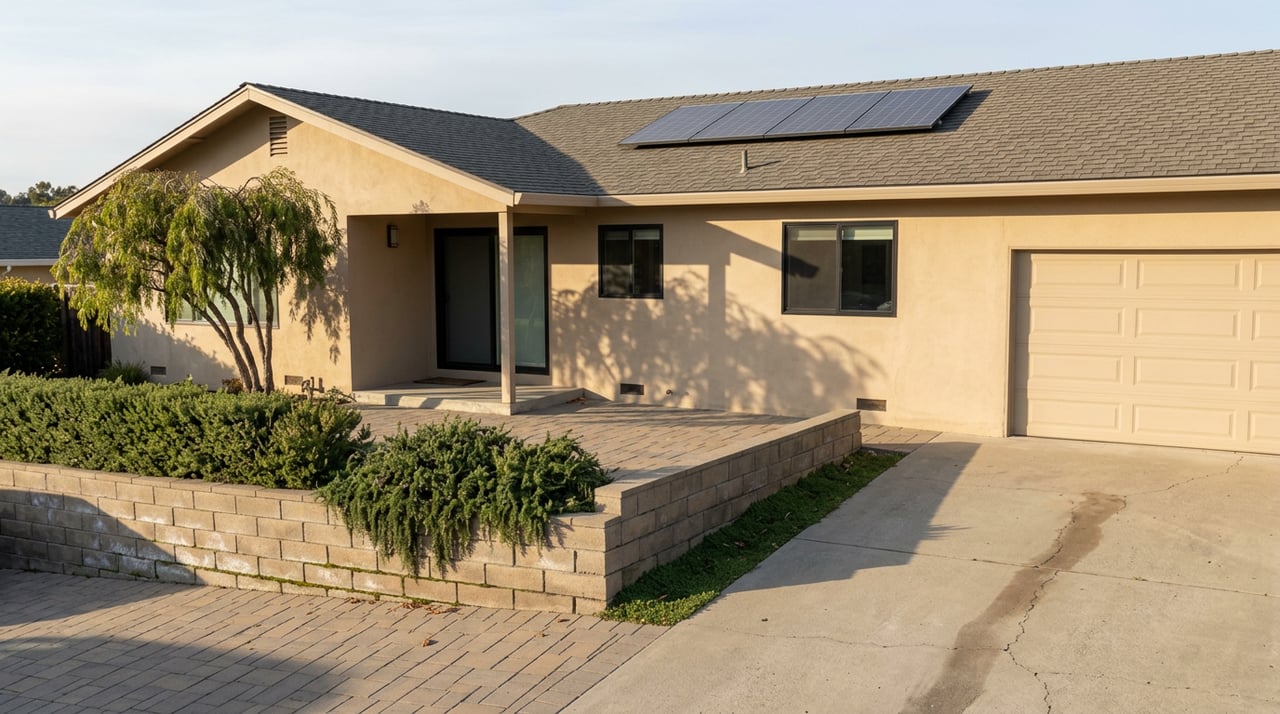
The area also includes a planned Village Center, neighborhood shopping, restaurants, entertainment, multi-unit affordable housing, and a civic meeting place. The city also notes that many homes here have photovoltaic solar panels, which can appeal to buyers who want newer building features.
The Village at Pacific Highlands Ranch adds another layer of convenience. It includes more than 160,000 square feet of retail and lifestyle uses along with five acres of public park and amenities space, including a library, dog park, bocce court, and garden.
This pocket is often the strongest match if you want:
For many move-up buyers, Pacific Highlands Ranch feels like the cleanest choice when the priority is modern housing plus an internal neighborhood hub.
Torrey Hills is a smaller mixed-use community that includes homes, apartments, office buildings, and hotels. The city places it between Interstate 5, Carmel Valley, and Los Peñasquitos Canyon Preserve, and says development there was intended to enhance wildlife habitat while providing mobility to surrounding employment centers.
That mix gives Torrey Hills a different feel than purely residential pockets. It can appeal to buyers who want a location that stays tied into nearby job centers and major routes without moving as far east as some newer edge communities.
While the city does not frame this as a formal commute study, its location and planning language support why many buyers view Torrey Hills as a practical, access-oriented option. If you want a smaller community with a mixed-use setup, this area may deserve a closer look.
Torrey Hills may suit you if you want:
If your version of moving up means more land, more privacy, and a quieter setting, Del Mar Mesa stands apart. The city describes this 2,042-acre community as semi-rural, with large homes, a golf course, a resort hotel, and extensive trails.
Its specific plan says the western half contains the core development area, while the eastern half is largely intended for open-space acquisition. The plan also states that most development is very low-density estate residential, which is a major difference from the denser and more walkable parts of Carmel Valley.
The city and plan materials consistently describe Del Mar Mesa as a place where large homes on large lots are a defining feature. Hiking and equestrian trails, horse stables, and the broader open-space setting all reinforce that identity.
Del Mar Mesa is often the clearest match if you want:
For some move-up buyers, this is the pocket that feels most like a lifestyle shift rather than just a home-size upgrade.
Torrey Pines is not Carmel Valley proper, but it often ends up in the same buyer search. The city describes it as a 2,600-acre coastal community bordered by Del Mar, the Pacific Ocean, Interstate 5, and University City, with 1,000 acres of open space.
Its residential neighborhoods are centrally located in the Del Mar Heights area, which is part of why some buyers compare it against central Carmel Valley or west-side options. If you are drawn to a more coastal-adjacent feel, this nearby alternative may enter the conversation even if your original search starts in Carmel Valley.
This comparison is really about lifestyle preference. Some buyers want the more internal convenience of Carmel Valley, while others want to stay closer to coastal edges and open-space character.
Move-up buyers often focus first on home size and finish level, but daily logistics usually shape long-term satisfaction just as much. Carmel Valley and nearby west-side communities benefit from their position within District 1, which the city describes as a regional hub for higher education, scientific research, biotech, and high-tech industries.
SANDAG’s 2024 employment-center update says Sorrento Valley is the region’s largest employment center, with 169,067 employees and an average income of $119,056. Carmel Valley itself is identified as a Tier 3 employment center with 23,294 employees.
The Coastal Rail Trail project is intended to connect Sorrento Valley, UC San Diego, University City, residential communities, COASTER stations, and a future trolley line. That helps explain why central and west-oriented locations are often viewed as practical choices for buyers who care about work access as much as home features.
Sometimes two homes seem equal until you compare the daily routine around them. Carmel Valley Recreation Center includes courts, a tot lot, playground, picnic areas, an athletic field, tennis courts, a full-size gymnasium, a meeting room, a craft room, a kitchen, and a nearby pool.
The Carmel Valley Library, which opened in 1993, is described by the city as one of the busiest branches in San Diego. Major retail remains concentrated in a handful of key centers rather than spread evenly throughout the community, especially Del Mar Highlands Town Center, One Paseo, and the Village Center in Pacific Highlands Ranch.
That means your exact location within the broader Carmel Valley area can make a noticeable difference in how easy everyday errands and activities feel. For many move-up buyers, convenience is not just about distance on a map. It is about how often you will actually use what is nearby.
Carmel Valley’s appeal is not just about houses and shopping centers. Nearby open space plays a major role in how the area feels and functions.
Los Peñasquitos Canyon Preserve spans about 4,000 acres and roughly 7 miles, with a wide mix of habitat types. Torrey Pines State Natural Reserve sits between La Jolla and Del Mar and protects the nation’s rarest pine tree.
If you spend weekends outdoors or simply want more visual breathing room around where you live, these natural assets can carry real weight in your decision. In practice, they often become part of the tradeoff between a more walkable pocket and a more private, lower-density one.
If schools are part of your move-up decision, it is important to verify assignment by exact address. The city notes that Carmel Valley is served by nationally recognized schools, but district lines can vary within the broader area.
For example, the city’s Pacific Highlands Ranch page notes that some addresses north of Carmel Valley and Del Mar Heights Roads fall into Solana Beach School District, while addresses south of those roads fall into Del Mar Union School District. That is why broad neighborhood assumptions are not enough when you are narrowing down homes.
If you want the simplest summary, here is the short version. Pacific Highlands Ranch tends to fit buyers who want newer construction and a walkable village center. Del Mar Mesa tends to fit buyers who want larger lots, privacy, and a semi-rural setting.
Central Carmel Valley tends to fit buyers who want retail convenience and a wider mix of housing types. Torrey Hills tends to fit buyers who want practical access in a smaller mixed-use environment. Torrey Pines and Del Mar Heights often serve as the coastal-adjacent alternative for buyers whose search expands west.
The right choice depends on what moving up means to you. If you want help comparing streets, housing patterns, and lifestyle tradeoffs across Carmel Valley, Agne Isidro can help you narrow the options and buy with confidence.
Stay up to date on the latest real estate trends.
I’m a real estate agent with Active Realty in San Diego, CA and the nearby area, providing home-buyers and sellers with professional, responsive and attentive real estate services. Want an agent who'll really listen to what you want in a home? Need an agent who knows how to effectively market your home so it sells? Give me a call! I'm eager to help and would love to talk to you.