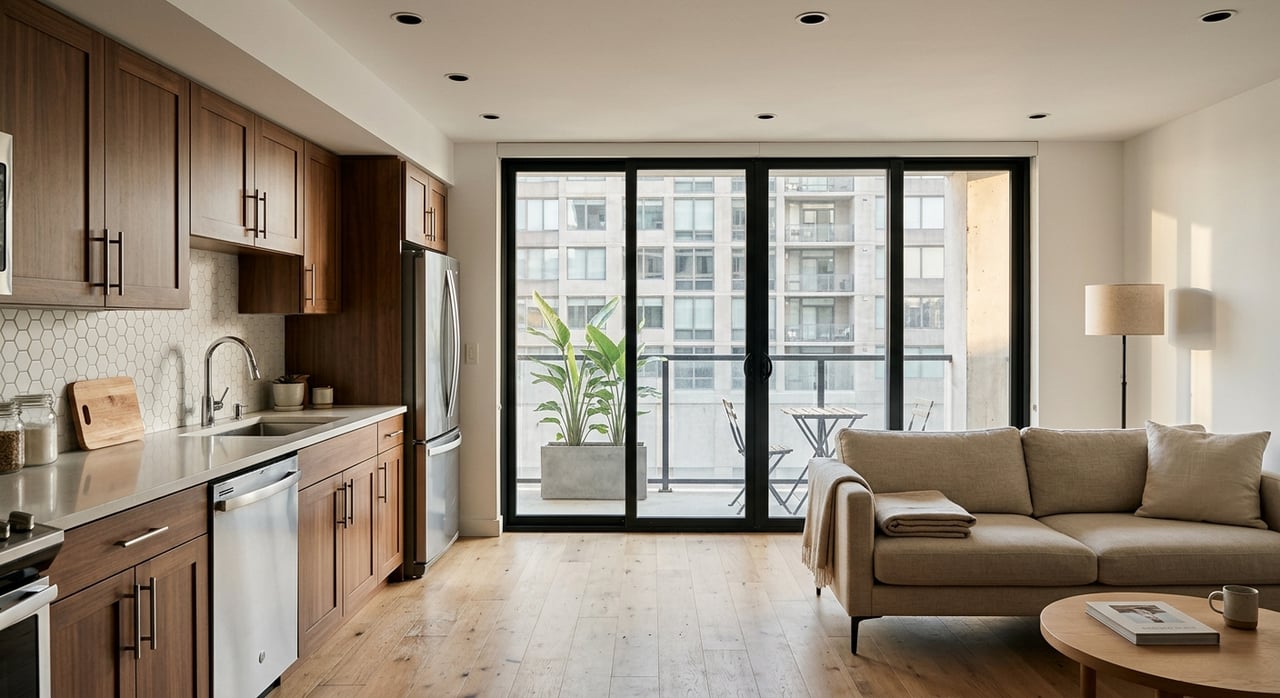
Comparing Downtown San Diego Condo Options in 92101
June 4, 2026
June 4, 2026
You are not choosing just one kind of downtown San Diego condo when you shop in 92101. You are choosing between very different micro-markets, building styles, and monthly ownership costs. If you want to buy with confidence, it helps to compare how each option actually lives day to day. Let’s dive in.
Downtown San Diego includes several distinct neighborhoods, not one uniform condo area. The City of San Diego and the Downtown San Diego Partnership identify districts such as Columbia, Marina, Cortez, East Village, Gaslamp, Little Italy, and Civic/Core.
That matters because your experience can change a lot from one district to the next. In many cases, the smarter comparison is not downtown versus the suburbs. It is one downtown pocket versus another.
Before you focus on square footage or finishes, think about how you want your daily routine to feel. In downtown 92101, walkability, park access, and transit can matter just as much as the building itself.
Columbia and Marina are the most waterfront-leaning condo areas in downtown. The Downtown San Diego Partnership describes Columbia as being surrounded by green urban parks along the waterfront, while Marina is known for waterfront urban living with condos, parks, shopping, and dining.
If you want a polished, service-oriented setting with strong access to the bay and public spaces, these areas often stand out. They can be a natural fit if you want a lock-and-leave lifestyle in a more refined downtown setting.
East Village is downtown San Diego’s largest and fastest growing neighborhood. It is also home to Petco Park, which gives it a stronger event and entertainment identity than most other downtown districts.
Gaslamp is the historic nightlife district. If you want to be close to action, restaurants, and a more active street scene, these areas may appeal to you more than quieter pockets of downtown.
Little Italy is described by the City as pedestrian-friendly and a model for downtown urban planning, with strong residential and retail development along India Street near the North Embarcadero waterfront. Buyers who want a neighborhood with a village-like feel often focus here.
Cortez Hill sits on downtown’s highest hillside and combines older Victorian homes with modern condo towers. If you want a setting that feels a bit more tucked away while still staying near the core, Cortez Hill may be worth a close look.
Civic/Core functions as the center of civic and economic activity downtown. It can make sense if your priority is central access to offices, services, and the broader downtown grid.
Downtown also benefits from parks, plazas, greenways, and MTS trolley connections to East County, UC San Diego, South Bay, and the Mexico border. If you plan to rely on transit or value easy car-free movement, that should be part of your comparison from the start.
A downtown condo is not defined only by how it looks from the street. In California, condo ownership and HOA structure are based on legal rights and common-interest community rules, not just architecture.
That means a high-rise tower, a loft building, or a townhome-style residence can all still come with HOA obligations. When you compare options, the better question is how the building lives, what it costs to run, and how much shared infrastructure you are comfortable supporting.
High-rise towers are usually the most amenity-heavy condo option in downtown 92101. Buildings like Electra and Sapphire show what that can look like, with features such as concierge service, security, pool and spa access, lounge areas, and secured parking.
This type of building often works well if you want views, more services, stronger security features, and an easier lock-and-leave setup. From a lifestyle standpoint, towers can feel streamlined and convenient, especially if you travel often or want more support built into the property.
The trade-off is usually cost. Based on posted building information in the research, HOA dues in full-service towers can run roughly from about $900 to $1,300 per month in those examples.
That does not mean every tower will land in that range, but it does show how amenities and operational complexity affect monthly ownership cost. Elevators, staffed entry, pools, garages, and shared common areas all have to be maintained over time.
Mid-rise lofts tend to offer a different kind of downtown living. Projects like Pioneer Warehouse Lofts and Doma highlight open layouts, large windows, exposed structural elements, flexible floor plans, and a more boutique feel.
If you like urban character and want a home that feels less formal than a full-service tower, this category may be appealing. In places like Little Italy, some mid-rise communities also offer walk-up residences, street-side entrances, and live/work layouts.
Another key difference is HOA cost. Research examples show simpler mid-rise communities often have lower dues than full-service towers, with posted HOA figures ranging from the high $300s to about $550 monthly in the examples provided.
Again, those numbers are not a rule for every building. Still, they are a useful reminder that fewer amenities often mean lower monthly carrying costs.
There is one caution worth taking seriously. The California Department of Real Estate notes that converted or older properties can have higher maintenance and repair costs, so reserve strength and building system history matter even more when you compare loft-style communities.
Townhome-style condos are often the most house-like option you will find downtown. They typically include two-story or multi-level layouts, walk-up or street-side entries, and stronger separation between living spaces and bedrooms.
For some buyers, that layout feels more natural than a tower floor plan. It can offer a little more privacy and a less vertical, shared-building feel, even though you are still part of a common-interest community.
That last point is important. Even if a home feels more private, it may still come with shared common areas, HOA rules, and assessment obligations.
One of the biggest mistakes buyers make with downtown condos is focusing too much on the purchase price and not enough on the full monthly cost. In 92101, two homes with similar list prices can feel very different financially once HOA dues are added.
The research shows that the gap between a minimal-amenity mid-rise and a full-service tower can be several hundred dollars per month based on current building examples. Over time, that difference can affect affordability, savings goals, and how comfortable the home feels in your overall budget.
A smarter comparison includes:
When you look at condos this way, the right fit often becomes clearer.
In California, HOA communities are shaped by the Davis-Stirling framework and the association’s own governing documents. That is why reviewing the HOA package is not just a box to check. It is central to understanding what you are buying.
The California Department of Real Estate explains that HOA budgets typically include fixed costs, operating costs, reserves, administration, and contingency funding. Regular assessments support both daily operations and reserve savings.
Two questions matter more than almost anything else:
If regular assessments are not enough, special assessments may be needed. In downtown buildings, that can be especially important because shared systems like elevators, pools, lobbies, garages, exterior components, and security infrastructure can be expensive to repair or replace.
If you want to narrow your choices faster, compare each condo option across three main categories: lifestyle, building type, and monthly carrying cost. This keeps you from getting distracted by finishes alone.
Ask yourself what kind of neighborhood rhythm fits you best. Waterfront access in Columbia or Marina, event energy in East Village, nightlife in Gaslamp, pedestrian-friendly living in Little Italy, or a hillside setting in Cortez Hill can each point you in a different direction.
Next, decide whether you want a full-service tower, a character-driven loft, or a more private townhome-style layout. Each one offers a different balance of convenience, privacy, design, and shared infrastructure.
Finally, review the HOA documents and monthly cost structure. A building may look perfect on the surface, but your long-term comfort depends on how well the association is funded and managed.
Use this checklist when you compare downtown San Diego condo options:
This process helps you evaluate more than the unit itself. It helps you understand the ownership experience you are stepping into.
If you are weighing condo options in downtown San Diego, the best choice usually comes down to how you want to live, what monthly cost feels sustainable, and how much shared infrastructure you want tied to your home. If you want help comparing specific buildings and neighborhoods in 92101, Agne Isidro can help you sort through the details and move forward with clarity.
Stay up to date on the latest real estate trends.
I’m a real estate agent with Active Realty in San Diego, CA and the nearby area, providing home-buyers and sellers with professional, responsive and attentive real estate services. Want an agent who'll really listen to what you want in a home? Need an agent who knows how to effectively market your home so it sells? Give me a call! I'm eager to help and would love to talk to you.