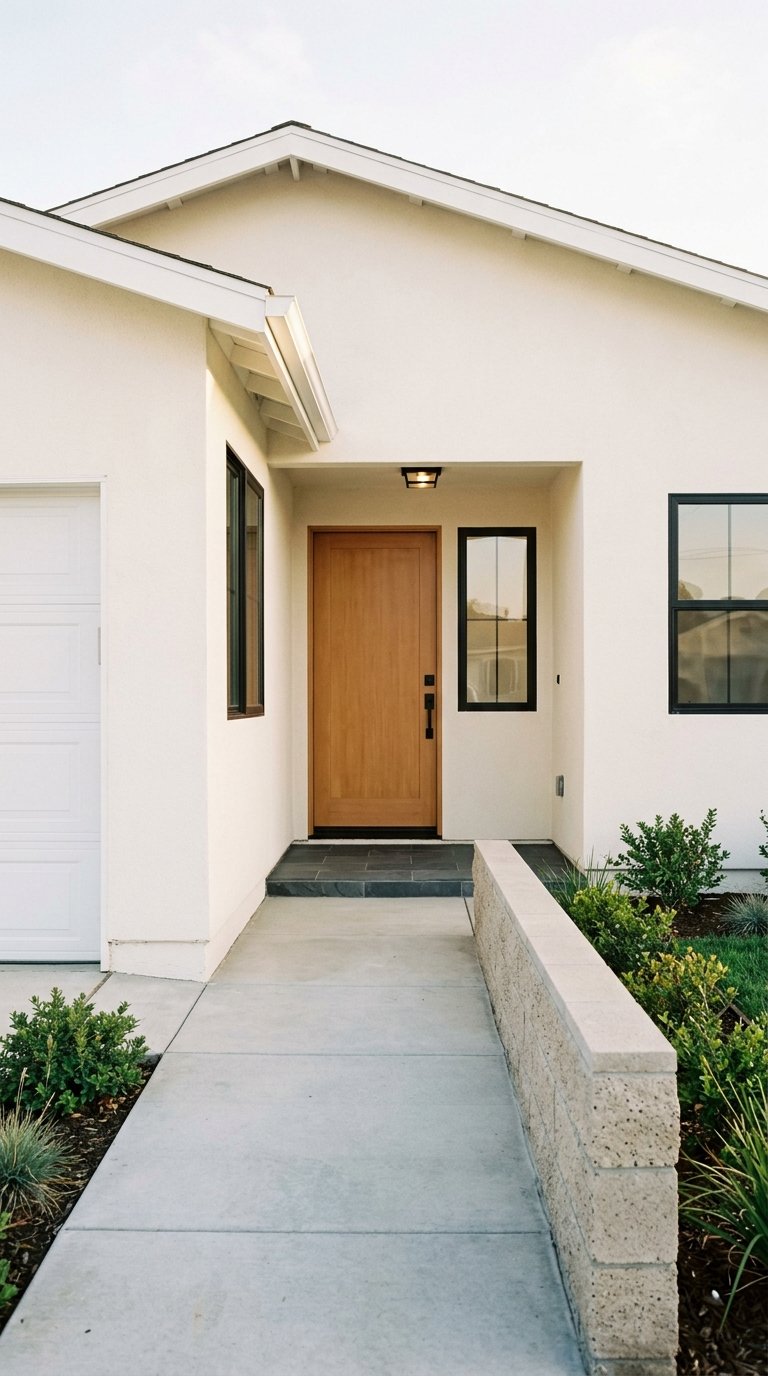
Coastal vs Inland Oceanside Living: How to Choose
June 25, 2026
June 25, 2026
If you love Oceanside but feel torn between the beach and more room to spread out, you are not alone. Many buyers end up choosing between coastal convenience and inland value, and that decision can shape your daily routine as much as your budget. The good news is that both options keep you in Oceanside while offering very different strengths. Let’s dive in.
Oceanside is not a one-note market. Citywide, the median sale price was about $875,000 in March 2026, but that average hides a big price gap between coastal and inland areas. In real terms, where you buy in Oceanside can change what you get for your money, how you commute, and what day-to-day life feels like.
That is why the coastal versus inland question is so important. You are not just choosing a home. You are choosing between beach access and walkability on one side, or more space and a different pace on the other.
Coastal Oceanside includes some of the city’s most amenity-rich areas, especially Downtown Oceanside and South Oceanside. These neighborhoods are closely tied to the beach, the pier, restaurants, coffee shops, and local shopping. They also tend to offer a more active, on-foot lifestyle than inland neighborhoods.
Recent pricing shows the premium clearly. Downtown Oceanside was around $1.20 million, while South Oceanside was about $1.49 million. As another comparison point, the coastal 92054 zip code was roughly $1.23 million.
If you picture grabbing coffee, heading to the beach, or walking to dinner, coastal Oceanside may feel like the better fit. Visit Oceanside highlights Downtown for its Strand, beach, pier, museums, restaurants, coffee shops, and older character homes. South Oceanside is known for craft coffee, vintage shops, unique restaurants, Buccaneer Beach, and access to the Buena Vista Lagoon area.
This part of Oceanside is also more walkable. Downtown Oceanside has a Walk Score of 74 and a Transit Score of 47, while South Oceanside has a Walk Score of 62 and a Transit Score of 39. That does not mean you will never use a car, but it does support a less car-dependent routine for many errands and outings.
The coast often asks you to compromise on size and home type. Recent downtown sales show many condo-style and attached homes, with 2- and 3-bedroom properties often in the 1,100 to 2,000 square foot range. In South Oceanside, the mix ranges from smaller beach-area homes to larger premium coastal properties, but the price per square foot is generally higher because of location.
For many buyers, that means a trade-off. You may get a smaller footprint, shared walls, or less yard space in exchange for beach proximity, walkability, and a more lifestyle-driven setting.
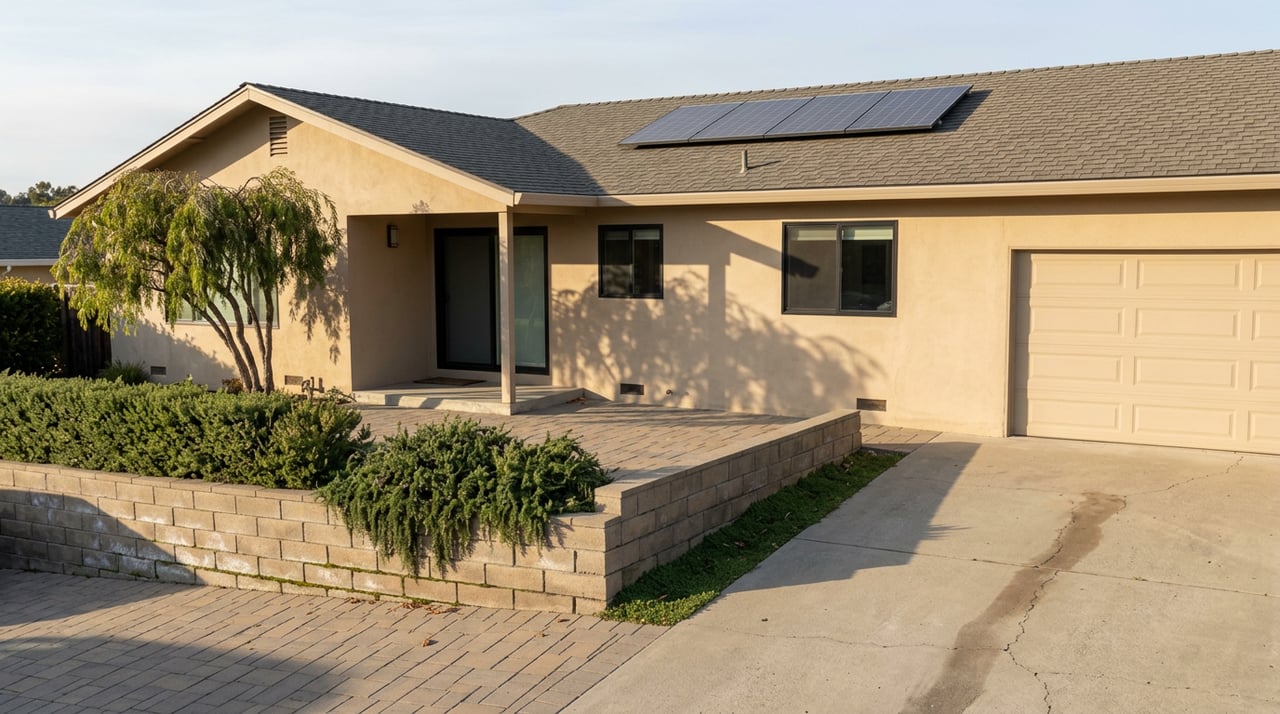
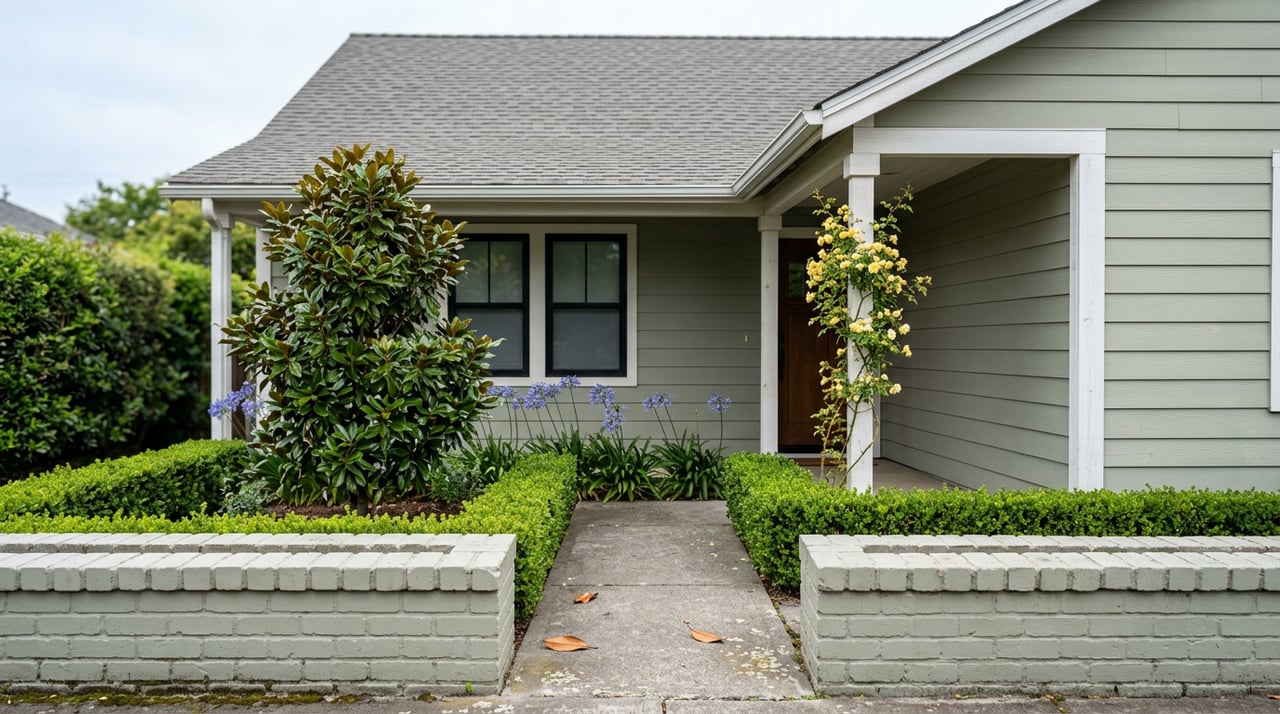
Inland Oceanside offers a different version of the city. Instead of living close to the pier and beach blocks, you are more likely to be near parks, open space, and neighborhoods with a traditional residential layout. For buyers who want more square footage or a detached home at a lower price point, inland areas can be compelling.
Recent numbers show that difference well. Ivey Ranch-Rancho del Oro had a median sale price of about $859,711, while 92056 was about $874,740 and 92057 was about $719,786. Compared with the coastal 92054 at roughly $1,232,884, inland Oceanside can offer a meaningfully lower entry point.
Inland living usually comes with more driving and a quieter rhythm. Visit Oceanside points to Inland Valley destinations like Mission San Luis Rey, Guajome Regional Park, and the farms, wineries, and stables in South Morro Hills. That creates a lifestyle centered more on open space, local driving, and home-centered living rather than walking from place to place.
For some buyers, that is a plus. If your ideal weekend includes park time, outdoor space, or simply having more room at home, inland neighborhoods may align better with how you actually live.
The biggest advantage inland is usually space. In Ivey Ranch-Rancho del Oro, recent sales were mostly 3- to 4-bedroom homes in the roughly 1,600 to 3,000 square foot range. That suggests inland buyers are more likely to find conventional detached homes and more room for the money.
This does not mean inland is sleepy or easy to win. Ivey Ranch-Rancho del Oro was still very competitive, with homes selling in about 18 days. If you assume inland automatically means less competition, current market data does not fully support that.
| Feature | Coastal Oceanside | Inland Oceanside |
|---|---|---|
| Typical price snapshot | Downtown about $1.20M, South Oceanside about $1.49M, 92054 about $1.23M | Ivey Ranch-Rancho del Oro about $860K, 92056 about $875K, 92057 about $720K |
| Lifestyle | Beach access, dining, shopping, walkability | More space, parks, open land, car-based routine |
| Home types | More condos, townhomes, smaller coastal homes, some premium properties | More detached homes with 3 to 4 bedrooms |
| Walkability | Higher, especially Downtown and South Oceanside | Lower overall |
| Transit access | Better positioned for rail and downtown access | More freeway-oriented travel |
Your commute may be one of the biggest deciding factors. Oceanside is 38 miles north of downtown San Diego, and the city has meaningful rail access. NCTD says the COASTER serves eight stations between Oceanside and downtown San Diego, takes about an hour end to end, and runs 30 weekday trips plus 20 weekend trips.
The SPRINTER also connects Oceanside with Vista, San Marcos, and Escondido on a 30-minute weekday pattern. If you expect to commute south or want better access to rail options, coastal or downtown-adjacent living may make more sense. If your routine is more tied to east county travel, inland neighborhoods may line up better with SR 78 and broader freeway connections.
Coastal Oceanside tends to fit buyers who place a high value on proximity and experience. You may prefer this side of the city if being close to the beach matters more than maximizing square footage. It can also make sense if you enjoy a more walkable routine and like the energy of restaurants, coffee shops, and active public spaces nearby.
This choice often appeals to buyers who are open to condos, townhomes, or smaller detached homes if the location supports their lifestyle goals. In short, coastal living often asks you to pay more for where you are rather than how much house you get.
Inland Oceanside tends to work well for buyers who want more traditional home layouts, more bedrooms, or more outdoor space. If you are focused on practical value and want to stay in Oceanside without paying the full coastal premium, inland neighborhoods may offer a stronger fit.
This can also be a smart direction if your routine is already car-based. You may not benefit much from paying extra for walkability if most of your day involves school drop-offs, freeway travel, errands, or spending time at home.
If school boundaries matter to you, it is important to verify them by address. Oceanside Unified School District says assignment depends on the specific property location. That means you should not assume a coastal or inland neighborhood automatically connects to a particular school.
This is one of those details that can affect your search criteria early. Checking the exact address can help you avoid wasting time on homes that do not match your needs.
If you are deciding between coastal and inland Oceanside, start with a few simple questions:
Your answers usually point to the right side of Oceanside faster than broad market averages ever will.
There is no universal winner between coastal and inland Oceanside. Coastal living can deliver beach access, walkability, and a more amenity-rich routine, but it usually comes with a higher price and smaller home options. Inland living can offer more space and a lower entry point, but it often means more driving and a different daily rhythm.
The key is knowing what you want your life to look like after move-in day. If you want help comparing specific Oceanside neighborhoods, home types, or price points, Agne Isidro can help you weigh the trade-offs and find the right fit for your goals.
Stay up to date on the latest real estate trends.
I’m a real estate agent with Active Realty in San Diego, CA and the nearby area, providing home-buyers and sellers with professional, responsive and attentive real estate services. Want an agent who'll really listen to what you want in a home? Need an agent who knows how to effectively market your home so it sells? Give me a call! I'm eager to help and would love to talk to you.